
In June 2025, the IMO’s Maritime Safety Committee adopted Resolution MSC.581(110), issuing Revised Recommendations for Entering Enclosed Spaces Aboard Ships and formally replacing A.1050(27). The objective is simple but urgent: reduce the persistent number of fatalities and serious incidents caused by unsafe atmospheres in enclosed spaces such as cargo holds, ballast tanks, pump rooms and technical compartments.
For shipowners trading to and from Singapore, this means enclosed space entry is no longer just a “checklist item” but a strategic safety and compliance priority that will be in the spotlight during audits, inspections, and incident investigations. The revised text strengthens requirements around risk assessment, enclosed space registers, training, and permit‑to‑work systems, and Administrations such as the Maritime and Port Authority of Singapore (MPA) are already drawing industry’s attention to these expectations.
This is where Singapore Marine Agency can add tangible value as a local, technically competent partner.
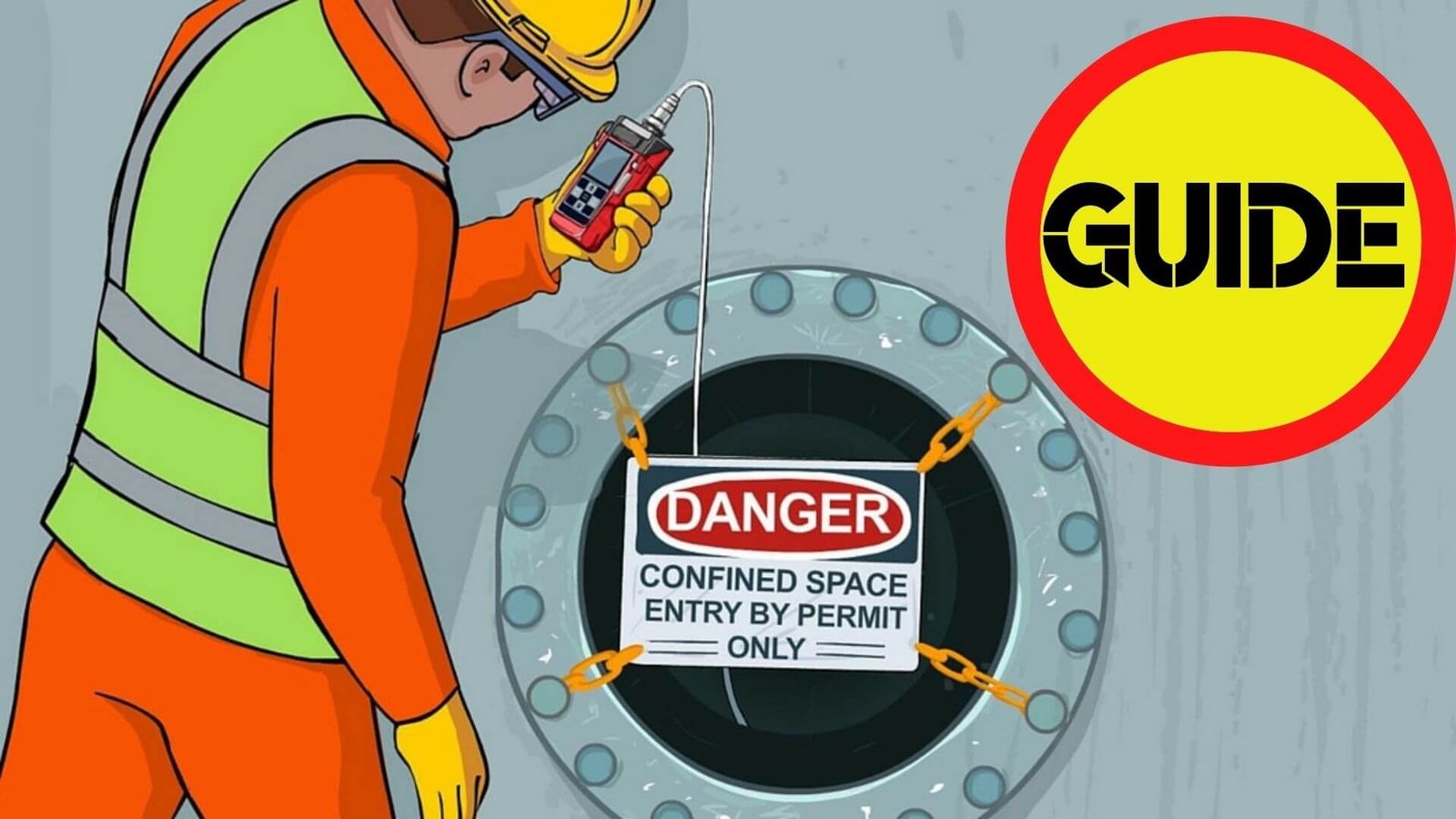
What MSC.581(110) Really Requires
The objective of MSC.581(110) is to promote safe procedures and sound practices for entering enclosed spaces aboard all types of ships. Key elements of the revised recommendations include:
- A ship‑specific enclosed space safety strategy that is integrated into the ISM Safety Management System, not treated as a standalone procedure.
- Creation and maintenance of an Enclosed Space Register that lists all enclosed, connected, and adjacent spaces, the hazards they present, and required controls.
- Ship‑by‑ship risk assessments for enclosed spaces, taking account of cargoes, operations, and possible atmospheric hazards such as oxygen deficiency, toxic gases, or flammable atmospheres.
- Stricter authorization and permit‑to‑work controls so that no space is opened or entered without a responsible person’s approval and completion of mandated checks.
- Defined atmospheric testing requirements, including limits such as a maximum carbon dioxide concentration of about 0.5% (5,000 ppm) for safe entry and the use of suitable, calibrated gas‑detection equipment.
- Prohibition of single‑person entry and clearer expectations for attendants, communication, and rescue arrangements.
- Expanded training requirements for “competent persons”, “responsible persons”, attendants, entrants, and rescue team members, including familiarization with ship‑specific hazards and equipment.
These elements align with a global move towards risk‑based regulation and are likely to inform future port‑state and vetting checks in major hubs such as Singapore.
To discuss how these new recommendations affect your fleet, or to arrange a survey during your next Singapore call, please reach out to our experts at surveys@sgmarineagency.com or Book Service/Survey via our Contacts page.
The Singapore Context: Flag, Port State, and Industry Expectations
Singapore’s role as a major flag State and one of the world’s busiest ports means local authorities place particular emphasis on enclosed space safety. MPA Singapore has circulated the MSC 110 reports and the text of MSC.581(110), highlighting the need for companies and ships to align their procedures and practices with the revised recommendations.
In practical terms, this means that:
- Singapore‑flagged ships are expected to reflect the revised enclosed space recommendations within their ISM documentation, risk assessments, and drills.
- Port State Control inspections in Singapore waters will look more closely at enclosed space entry procedures, permits, training records, and maintenance of gas detection equipment, especially after incidents or near misses.
- Local training providers and safety consultants are updating confined‑space and maritime safety courses to reflect the new MSC.581(110) framework, including risk assessment, permits, monitoring, and record‑keeping.
For international owners calling Singapore, working with a local marine agency that understands both IMO and Singapore‑specific expectations can significantly reduce compliance risk and operational disruption.
How Singapore Marine Agency Can Help You Comply
Singapore Marine Agency can support shipowners and managers across the full lifecycle of enclosed space compliance—from documentation and procedures to practical readiness on board.
1. Gap Analysis Against MSC.581(110)
- Review existing company and vessel‑specific procedures for enclosed space entry, permits, and rescue against the new recommendations, including the latest training expectations.
- Identify gaps in risk assessments, enclosed space registers, testing protocols, and authorization processes, with prioritised actions that reflect both IMO and Singapore requirements.
2. Development of Enclosed Space Registers and Risk Assessments
- Assist ships in compiling and maintaining an Enclosed Space Register that lists all enclosed and connected spaces, typical hazards, and control measures, aligned with MSC.581(110).
- Support ship‑by‑ship risk assessment workshops (on board or remotely) to ensure spaces are properly categorized, risks are documented, and controls are practical for the crew.